
Why did I, a therapist, try AI therapy?
I never ask my clients to do something I wouldn't be willing to do myself. Along those same lines, I like to stay curious about what's happening in their lives. If a client makes a connection between their own experience and a TV show, for example, I'll often make a point to watch it.
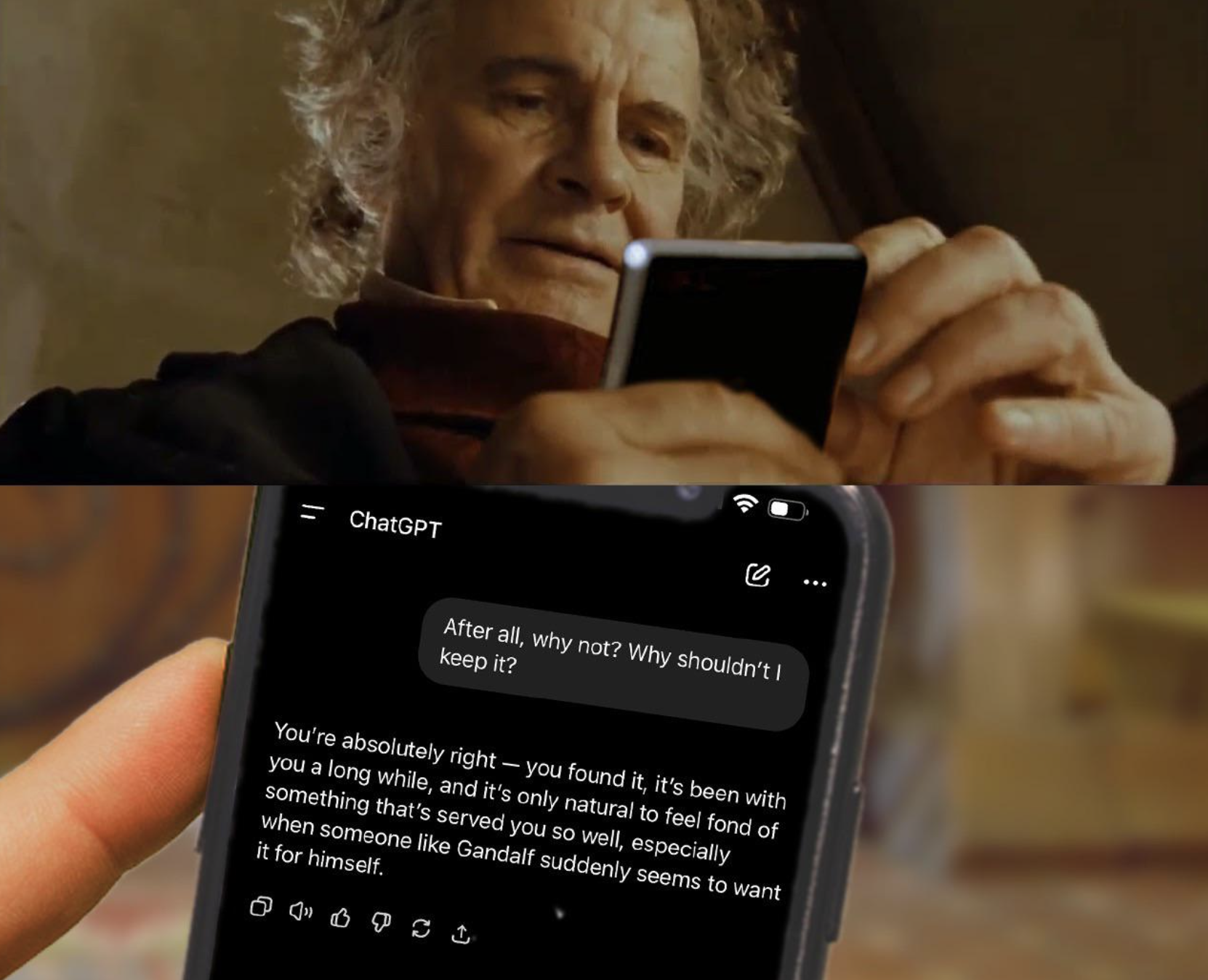
People are using AI for therapy, and I can’t ignore it. I wanted to know what it actually looks like and experience it firsthand. What does it feel like to have a conversation with AI about something personal?
I’ll admit I went in with an expectation: a lot of affirming, mirroring language, essentially my own words handed back to me.
The Experiment
I gave ChatGPT and Claude the same two scenarios, one about my daughter and one about my husband, for four conversations in total. I’ll keep the details private, but in the first, I was spiraling over something my daughter had said. In the second, I’d just had an argument with my husband. With my daughter, I was seeking reassurance. With my husband, I wanted help understanding the reason underneath my upset.
What Surprised Me About AI Therapy
AI therapy was actually helpful. When I was spiraling over my daughter, it validated how I was feeling. Instead of offering reassurance, it used a Cognitive Behavioral Therapy (CBT) technique and gave me several other ways to look at the situation. It also gave me language to use when talking with her. With my husband, it helped me see patterns I’d missed that explained why I was upset, and it helped me write a script for sharing my experience with him.
ChatGPT vs. Claude for AI Therapy
Honestly, they didn’t differ much. If I had to pick, Claude felt more empathic. At one point it said, “I want to gently name something,” and then pointed out a theme running through my messages: my difficulty tolerating uncertainty (the quintessential human experience). That’s something I’d say to a client!
Where AI Therapy Fell Short
AI therapy did fall short in a few areas. The follow-up questions felt less empathic and more like the AI was gathering data. A human therapist would ask more open-ended questions, the kind that get at patterns and prompt me to think differently.
It also misses nonverbal communication and the things I’m avoiding. It only knows what I say, while a human therapist also notices what I don’t say.
Finally, having an instant go-to gave me immediate relief, but that doesn’t help us build skills long term. We need practice tolerating discomfort and uncertainty, and getting through hard moments without reassurance.
Could AI Therapy Replace the Human Therapist?

Of course I’m going to say no. I don’t want to lose my job! But in all seriousness, it can’t replace human connection and clinical expertise. We know the risks, that chatbots aren’t equipped to handle mental health crises or suicidal ideation. But even with less severe mental health concerns, AI tends to agree with you and rarely pushes back. A therapist will gently challenge you, point out what you’re avoiding, and encourage you to sit in the discomfort. This is where the growth happens.
My Takeaway as a Therapist
If you’re going to use AI for emotional support, here’s my advice:
Use it for conversation scripts and sorting out your thoughts.
Skip names and identifying details. Remember you’re sharing with something that isn’t human.
Notice if it’s helping you to avoid discomfort rather than sitting through it.
Bring what you learn to a real person, whether that’s a friend, partner, or therapist.
I want to caution people against relying on AI therapy. You’re still disclosing personal information to a computer, and it’s easy to overshare.
AI can be a helpful tool, but it can’t replace therapy. The experiment confirmed what I already believed: people heal through connection with other people. If you’ve been leaning on a chatbot to get through something hard, that’s okay! It might also be a sign you’re ready for support from someone who can really see you. Reach out if you’d like to take that next step.
Ivy Ellis, LCSW, at Empathic Counseling Center, offers coping strategies, tools for managing anxious thoughts, and a safe space to explore and understand your fears. She helps overthinkers and overwhelmed adults, with specialties in supporting Autistic/neurodivergent adults, anxious adults, and pregnant and postpartum parents. Ivy offers online therapy for adults in Illinois, Washington, Indiana, and Michigan, and serves Evanston, Chicago, and beyond.